Art Teacher: Can you explain some of the reasons why my students would need to refine their writing skills? My Boss: [Long and slightly pretentious explanation about how artists need to explain and unpack the meaning of their art and their motivations and write museum blurbs] Me [a writing tutor, watching a group of 30 students shut down]: …may I say something? Art Teacher: …yes? Me: I’m friends with professional illustrators, folks who work in the comics industries, people who do 3D printing for a living, and people who do commissioned art. And the best reason to refine your writing is to be able to explain to people why it’s worth something, and be able to get other people excited about what you’re doing so that you don’t “die from exposure”. Portfolio summaries are important. So is social media. Everything from instagram captions to Patreon posts- Students: [instantly perk up and pay attention] Art Teacher: [interrupting me with a nervous laugh] Yes well we all need to make a living, but REAL artists- Students: [all tune out again]
STOP!!! FUCKING!!! DOING THIS!!! Art students deserve to know how the skills they’re learning will help them professionally, regardless of how they choose to use their art degree. Teaching that there’s only one way to “make it” as an artist is what literally STOPPED ME FROM DOING ART because I knew I was never going to be a museum artist. (All I wanted to do was doodle fairies.)
Anyway I’m gonna die mad about this.
Fuck art elitists who act like the only “real” art is museum/gallery art. Just because the person who paid for your art is a millionaire in a dick measuring contest with other millionaires doesn’t make your art inherently superior to another artist whose art was paid for by someone who wanted their D&D character illustrated and will love that art every time they get their character sheet out.
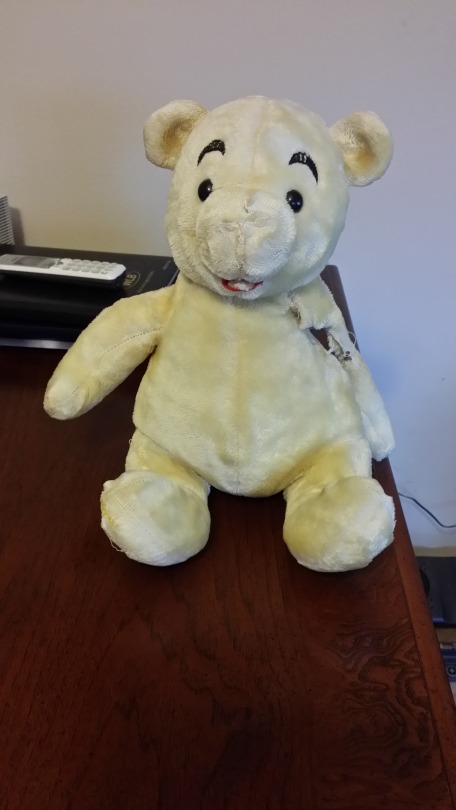
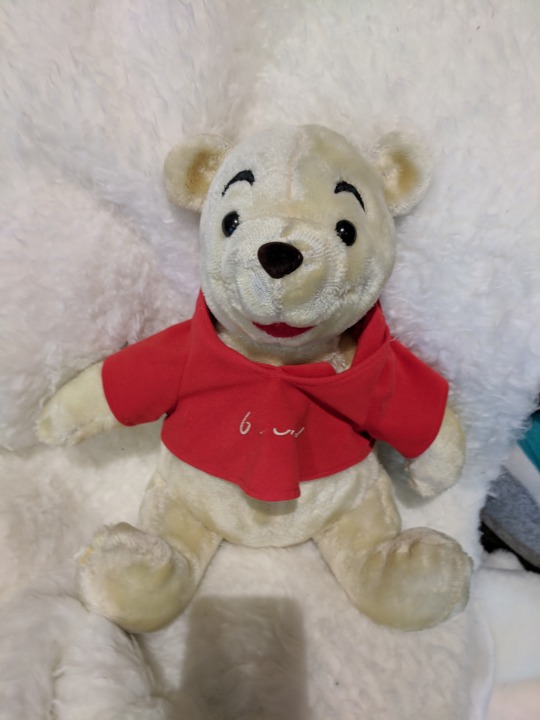
I see many Winnie the Poohs at the hospital (aka Winnie aka Pooh aka Pooh Bear), as you may guess. Many look like this, a bit flat and with small wounds, designed to have a removable shirt:
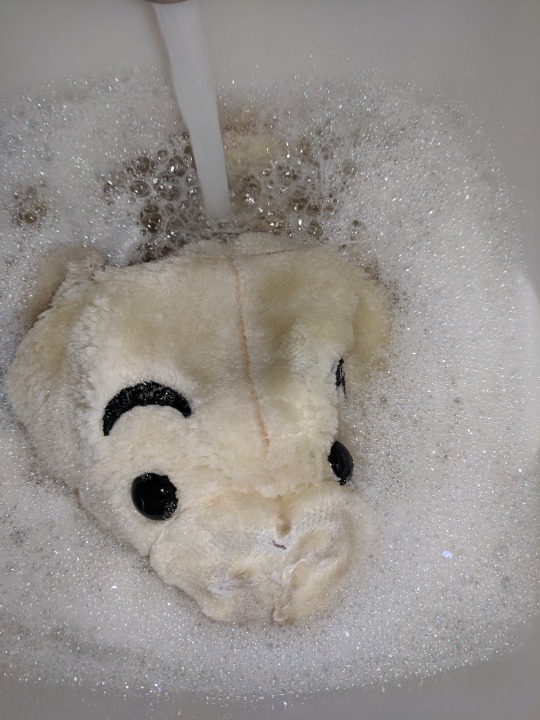
They come for spas:
New hearts and stuffing:
And plumping up so they have a proper belly again:
Sometimes they look like this:
A bit more loved… or as his person said, in more “desperate condition”.
He also had a spa (not everyone does):
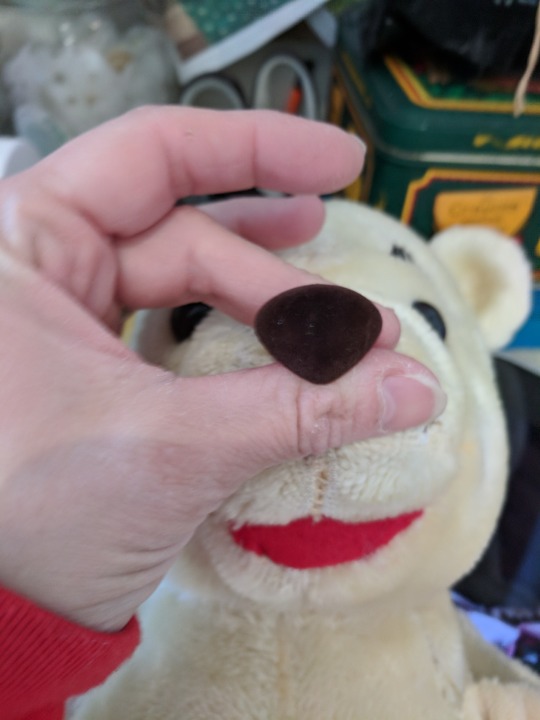
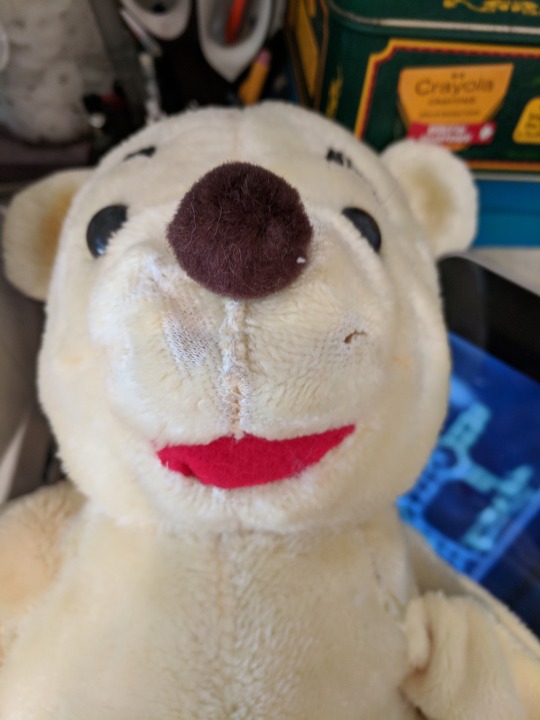
As you may’ve noticed, he needed a new nose and there were several options:
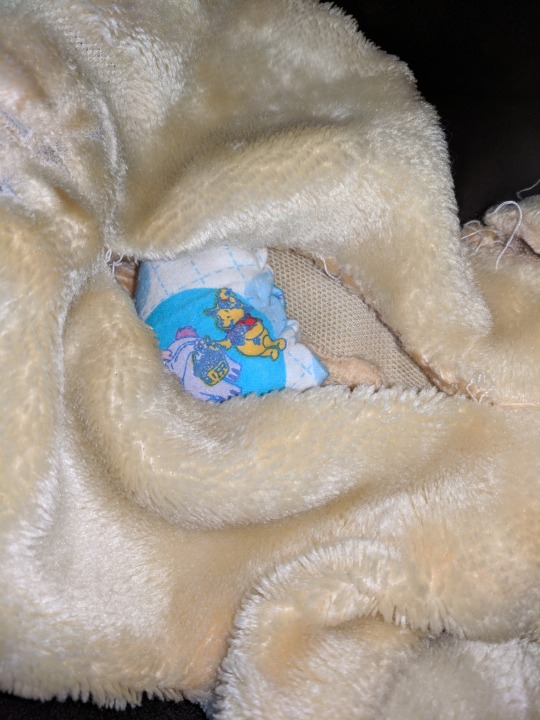
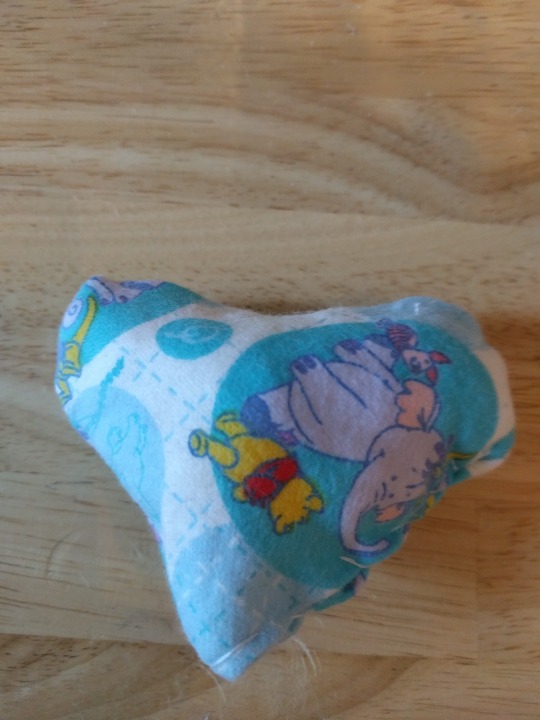
His heart had a pooh on it as well as some magic from a heffalump:
And after a bit of arm and smile surgery, soon he was healthy and ready to fly home:
His person wrote “He looks wonderful!”
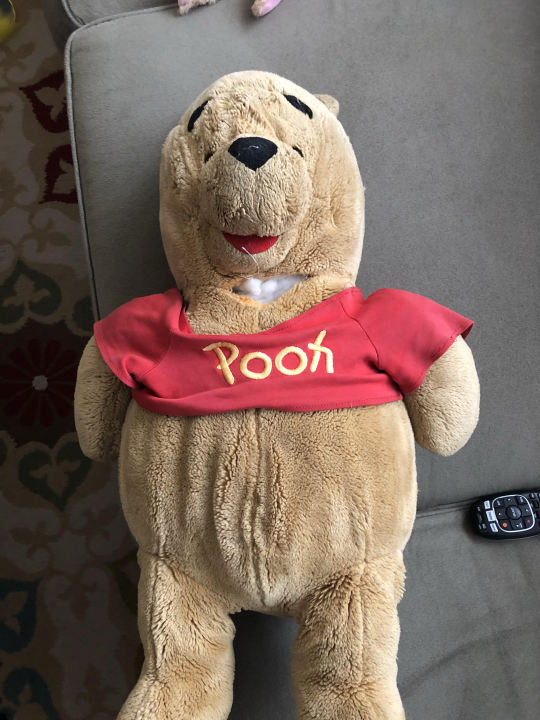
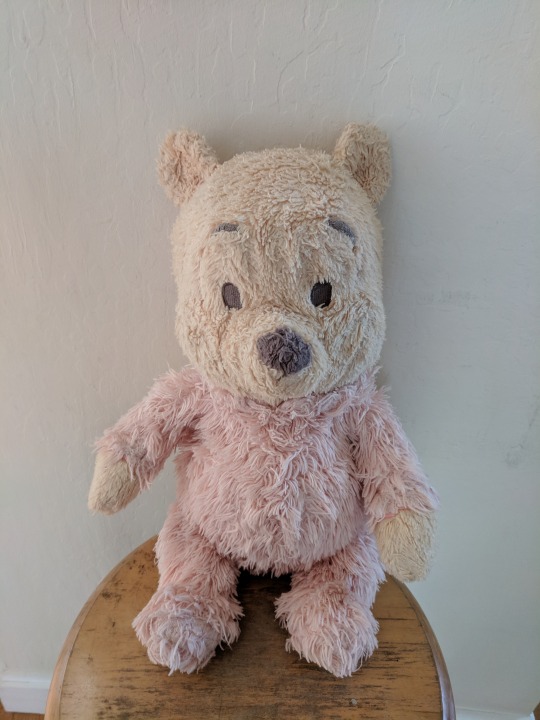
The final Pooh I’m going to show you today just flew home yesterday. He is always called Pooh Bear. He is 14 years old and showed every year of hugs.
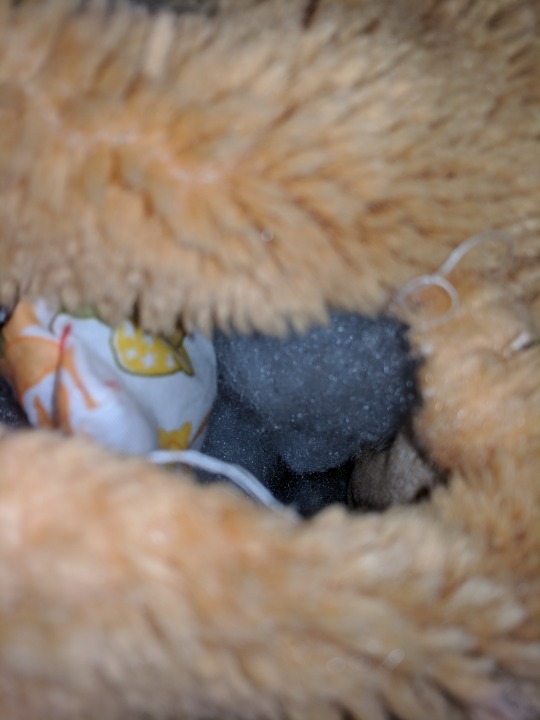
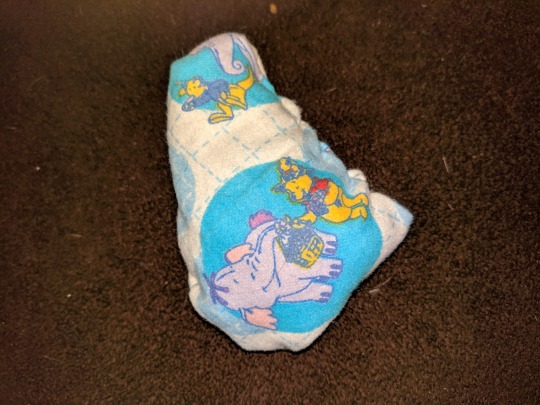
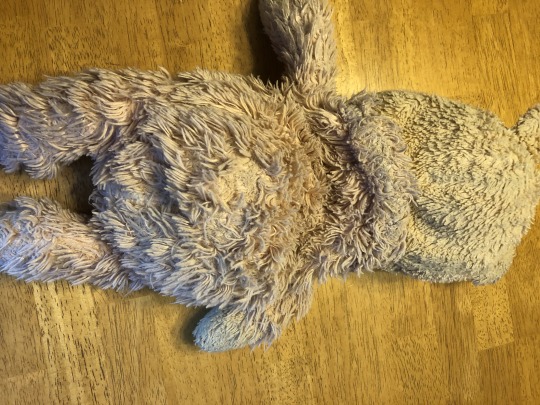
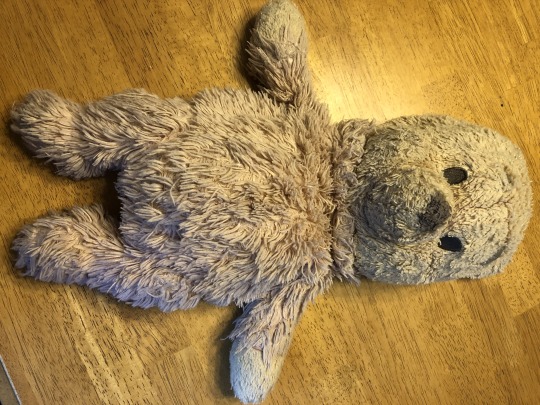
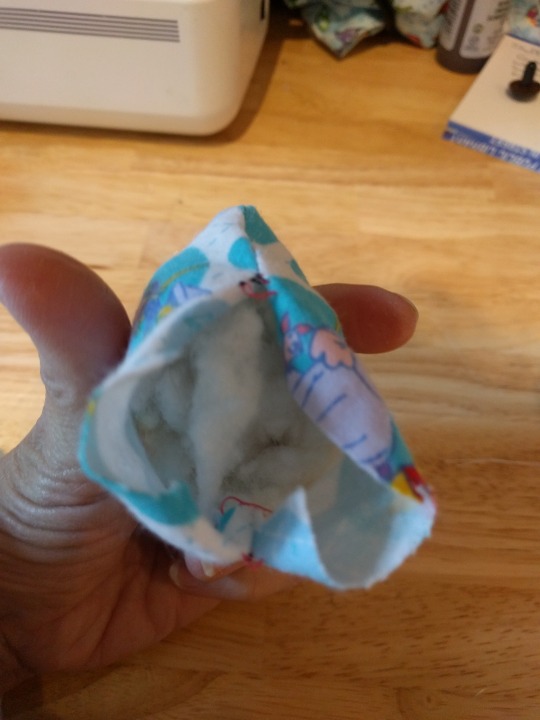
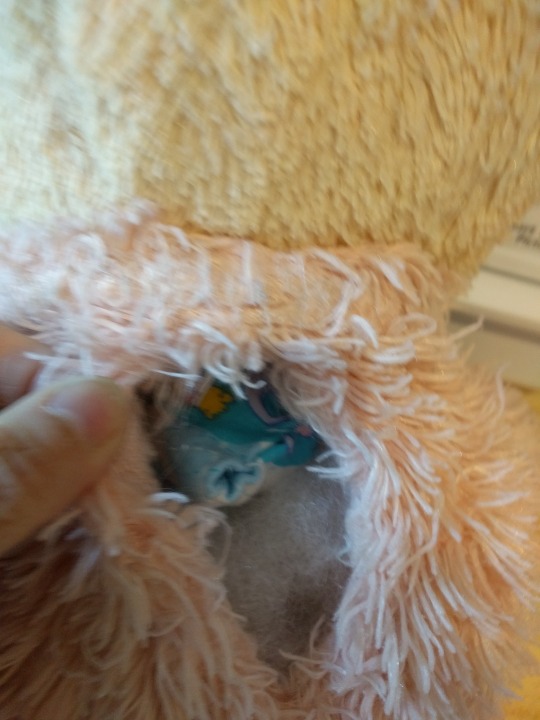
Here are the photos his person’s mom sent for diagnosis:
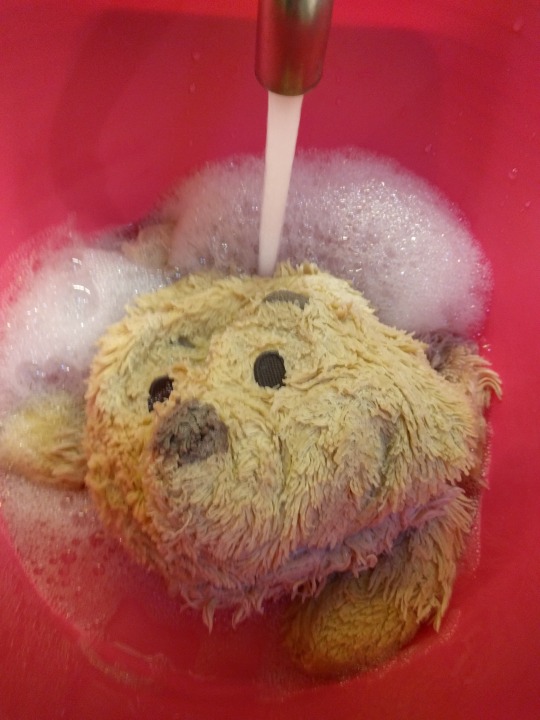
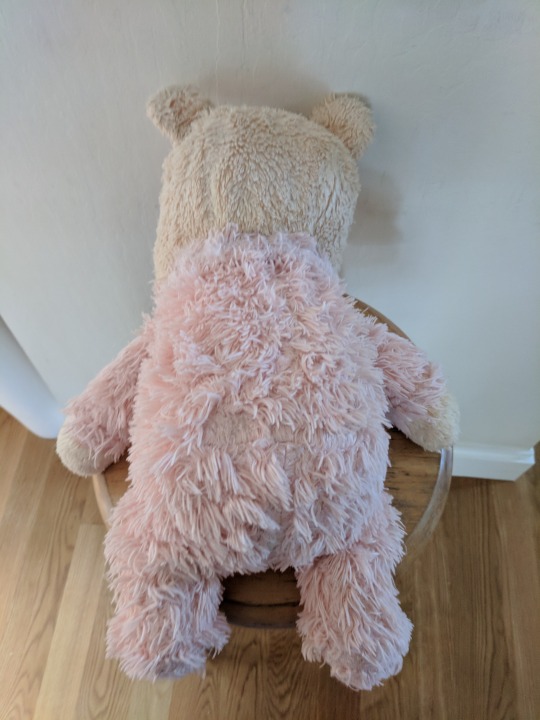
As you can see, Pooh Bear was a bit flat and a bit gray. He came in for a spa:
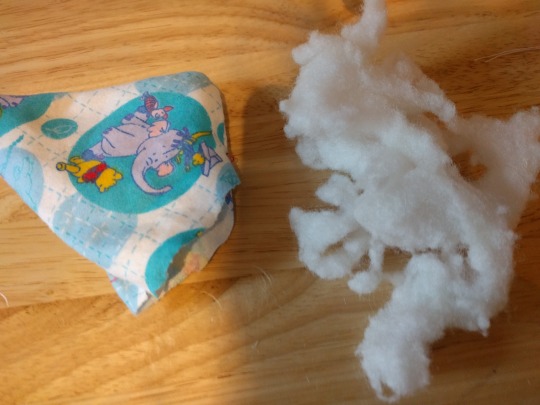
Got new stuffing and a magical Heffalump heart to preserve a bit of his original stuffing:
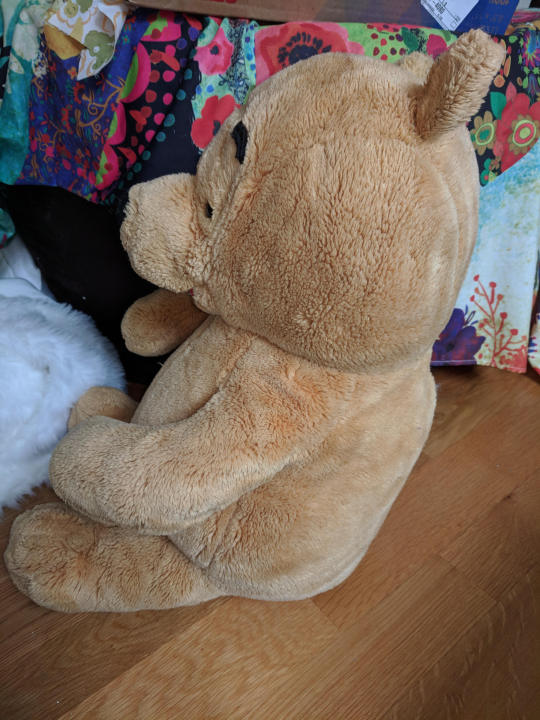
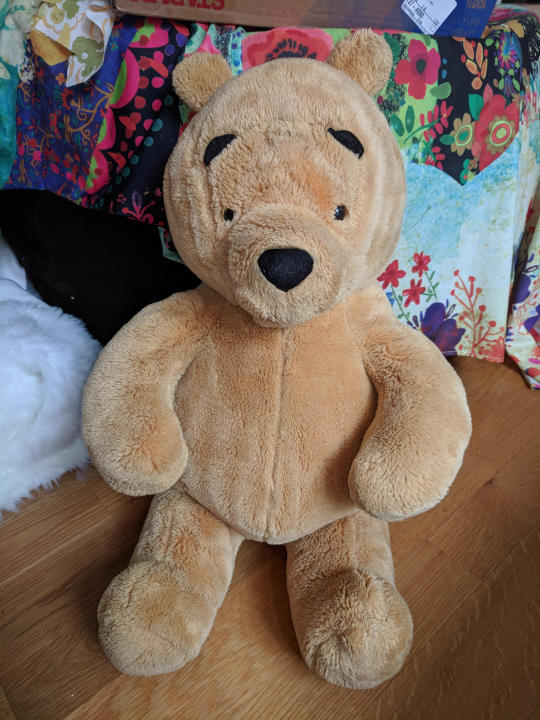
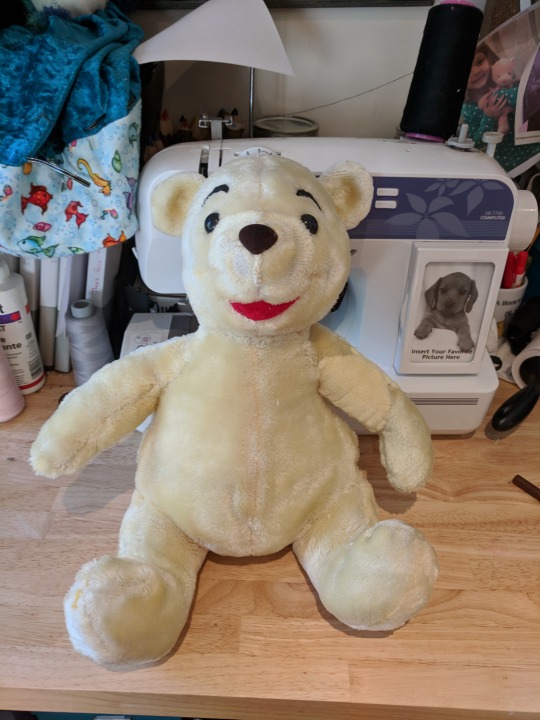
And finally was clean and plump and fluffy and ready to fly home:
He could even sit on his own! His people said his chubbiness was perfect and as I said, he flew home yesterday!
A reminder that it’s illegal in the USA to collect or sell the feathers of wild birds (and their eggs, bodies, and nests) even if you find them lying on the ground, unless you have a permit to do so. As in, actually illegal, not “outdated law everyone has forgotten about and is no longer enforced”. Eagle parts are extra illegal.
How about bones?? Not like bird specifically just animal bones in general. Also why is it illegal?? There so many birds ergo so many feathers no ones gonna miss em
The specifics depend on your state, the situation, and whether the species is a game animal, but usually, it’s illegal unless you are licensed (ex for educational purposes).
There really aren’t “so many birds”. The populations of many species are rapidly declining due to habitat loss and pollution. I’ve seen birds of prey autopsied and their insides are often coated in plastics. Pesticides and rodenticides wipe out truly horrifying numbers of larger birds – please only ever use mechanical traps for mice and rats, not poisons.
The Migratory Bird Treaty Act of 1918 was passed four years after the last passenger pigeon died. It discourages the personal and commercial collection of bird parts for very good reason.
Oh, Ship! Tag me in on this one, I’m ready!
So, the history of Wildlife law in the United States goes way back, actually, to the history of wildlife law in Great Britain.
See, in Ye Olden Days, the King was in charge of deciding who was and wasn’t legally allowed to hunt. This was a Big Deal, because many people needed to hunt to feed and clothe themselves and their families. If the King said “you can’t hunt anywhere near where you live because those are My Deer,” you were, well, fucked.
Eventually, this power of wildlife ownership was technically redelegated to parliment, but hunting often remained super inaccessible to anyone but the wealthy, privileged few.
So when people started coming here from there, it was a total free-for-all. You could hunt anywhere, anything! There were things to shoot in the US that had been extinct in the British aisles for centuries, even!
So not only were people hunting for food, clothing, to drive out unwanted animals (see: wolves), but also for the hell of it because they were allowed!
For a while though, hunting was still very much an “I need to eat” business. Can’t fault ‘em for eating, ya know?
But once Europeans became really established here, with cities and leisure time and fashion, things got way out of hand.
There were pretty much No laws dictating how many animals a person could take, or when and from where they could take them.
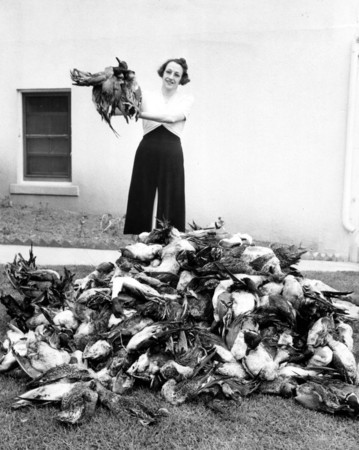
What’s more is, suddenly, it wasn’t just for food, it was for MASS PRODUCTION! You know what women REALLY wanted? Hats With Feathers. Lots Of Feathers.
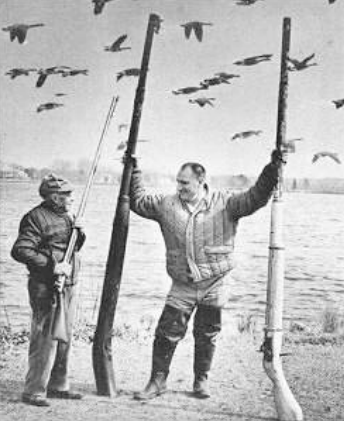
People were already killing Many Birds, but not Enough. “We need to kill WAY MORE BIRDS and FASTER,” they said. So they made These Big Guns.
They were made for mounting on boats, and who gave a damn about ammo? ANYTHING that could presumably maim a duck was a go. They loaded them with pieces of tin, metal, shards of broken glass, ya know. The usual.
Then, at night, during Mating season, they’d go out onto the water, shine a light so that all the ducks raised their heads to investigate, fire the gun, and instantly decapitate hundreds of ducks a shot. It was wild.
So this was happening
And the REASON this was happening was there was a demand for these ducks, feathers, mainly. Meat second.
The demand is what’s imperative here. It didn’t matter if you had the means to kill 100 or 1000 birds in a night. If you shot ‘em, someone would pay for ‘em.
You can see where this started going wrong, however. Eventually, there were like, uh, no birds left to shoot.
So now everyone’s starting to say, “well, what the hell…it seems that shooting All Of The Birds At Once has somehow wiped them out. Maybe we should do something about this.”
NOW, that was NOT a popular move. People were really loving the whole “I can kill anything any time I want” thing going on. They argued that limiting their take would violate their rights and freedoms (never mind the hypocrisy of claiming any rights to the wildlife of this land that had been taken from the indigenous peoples they’d killed and driven out).
But responsible hunters knew that wildlife and hunting laws were imperative to the continued existence of wildlife.
This wasn’t a new concept, mind you. Responsible Wildlife laws are even in the damn Old Testament:
“If you come across a bird’s nest in any tree or on the ground, with young ones or eggs and the mother sitting on the young or on the eggs, you shall not take the mother with the young.” Deuteronomy 22:6
Makes sense, right? Eat the eggs but make sure the mother remains to lay more.
And more than a century before, John Quincey Adams is quoted in reference to the issue:
“I went with my gun down upon the marshes, but had no sport. Game laws are said to be directly opposed to the liberties of the subject; I am well persuaded that they may be carried to far, and that they really are in most parts of Europe. But it is equally certain that where there are none, there is never any game; so that the difference between the country where laws of this kind exist and …where they are unknown must be that in the former very few individuals will enjoy the privilege of hunting and eating venison, and in the latter this privilege will be enjoyed by nobody.”
ANYWAY. Point was, people were realizing that if things didn’t change fast, there’d be nothing left to hunt, to eat, or to use for Fancy Hats.
So we got the Lacey Act of 1900, the first federal wildlife law.
“I have always been a lover of birds, and I always been a hunter as well, for today there is no friend that the birds have like a sportsman-the man who enjoys legitimate sport. He protects them out of season; he kills them with moderation in season.” John Lacey.
It limited market-hunting and commercial wildlife trafficking. People with Super Duck Guns were especially unhappy about this. However, if ducks understood federal laws, they would’ve been thrilled.
The problem was, there was still a HUGE demand for feathers, for meat, and absurdly, for specimen for people’s private collections. “I don’t CARE if that’s the last known living Auk. I want it.”
So they had it.
What we needed to do was to destroy the demand for bird products. And to destroy the demand, we had to stop products from being made. If no one is walking down the street wearing a Fancy Bird Hat, no one else is going to say “oh! I want one too,” and no one is going to pay a Fancy Hat Maker to pay a Big Duck Gun owner to shoot 1,000 birds.
So we got the Migratory Bird Treat of 1918, which made it almost totally across the board illegal to own Any bird parts (excluding legal game birds, but laws about when and how many you could hunt were forming to protect them).
There is a misnomer that taking something off the legal market will increase demand because people love what they can’t have. That’s proven untrue in this case. Very few people are actually willing to break Actual Federal Law in order to own a hat they can’t wear in public. The issue was larger society and for the most part law-abiding citizens who wore this stuff while it was legal but moved on once it wasn’t.
The reason it still exists is to keep the demand for bird parts non-existent, and it’s WHY you can’t legally collect feathers even when they fall off a bird naturally.
Because hey, YOU may live in an area with a healthy golden eagle population. Or a Blue Jay population. Or Red headed woodpeckers. YOU find their feathers all the time! They just fall off, no harm done.
So you pick them up, make them into cool jewelry and art, and post them on your etsy and pinterest.
They’re super popular! People love them!
Now I want in on that business!
But there aren’t many golden eagles, blue jays, or woodpeckers around me, so I don’t find their feathers often. But you know what’s way easier than looking for one, fallen feather? Shooting a bird and getting a lot at once.
And thus an innocent market has once again created an unsustainable demand that will threaten bird populations.
And that’s why it’s just flat out against Federal US law to own, collect, or sell almost any wild bird parts!
And MAKE NO MISTAKE! This law is Very Enforced. Wildlife officers Do pay attention to people talking about collected bird parts, and they Will throw the book at you. The fines are wild. Don’t risk it.









 Bruises-On-Y0ur-Thighs Backup